












WELCOME TO viveca education

Elevate your practice with grief-informed care.

Grief walks into your treatment room every day. Now you’ll know what to do when it does. Viveca Education provides online and in-person continuing education for massage and manual therapists who want to provide truly compassionate, evidence-based care especially for navigating grief and loss.

An arrow indicating scrolling down on the page to see more information.
you care deeply about your patients

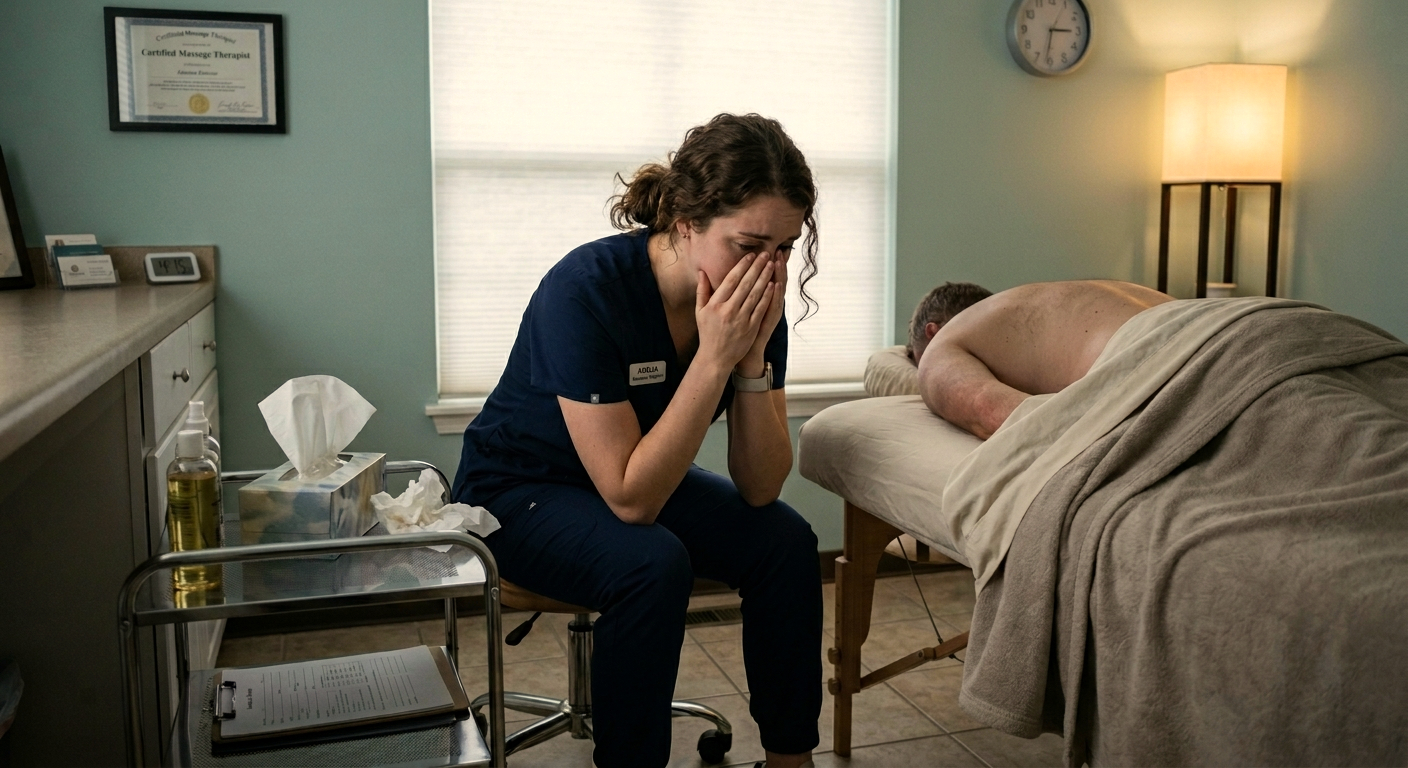
Grief walks into your treatment room every day, but nobody taught you what to do with it.

Most of your patients are carrying grief. Maybe it’s the loss of a loved one. Maybe it’s a relationship, a career, their health, or their independence. Whatever the loss, their sympathetic nervous system is holding it, keeping them stuck in a “fight / flight / freeze” state.

As a society, we aren’t comfortable with grief. We aren’t taught what to say or do for people who are grieving. Consequently, most grieving people mask their grief to avoid making others feel uncomfortable.

When patients sense discomfort in the treatment room, they keep that mask on. And when grief stays masked, their parasympathetic nervous system can’t fully engage, and their body stays braced. Your best techniques land on a nervous system that is still protecting itself. This work isn’t about becoming more empathetic. It’s about becoming more skillful with the empathy you already have.

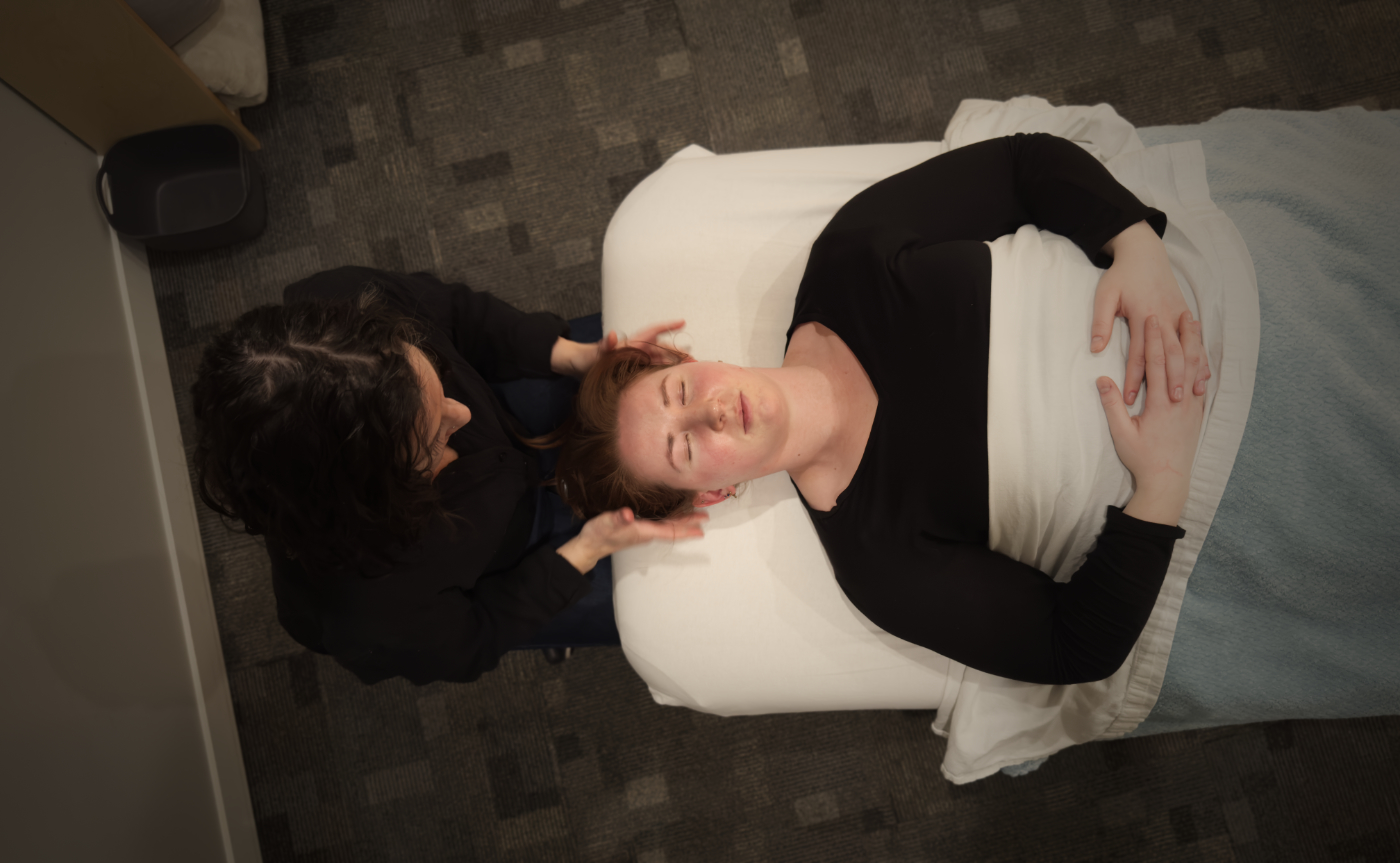
Overhead view of a woman receiving a head massage while lying on a massage table with a white blanket.

You don't need to become a grief counselor. You need to become a manual therapist whose presence says:

"You're safe here."

That's exactly what Viveca Education teaches.

Explore Courses
what you'll learn

Practical grief literacy that makes you a better, more confident therapist.

Engaging, evidence-based courses that make grief approachable, applicable, and clinically relevant.

You'll learn to:
Understand what grief is, how it manifests in the body, and why it matters for every single client you see

Recognize the many forms of loss so you stop missing what's right in front of you

Create a treatment space and approach that communicates safety—even  without words—so grieving patients can finally exhale

★ Hold space for grieving patients while staying firmly within your professional scope

★ Leave work without carrying your patients' grief home with you

★ Use language that comforts instead of unintentionally causing harm

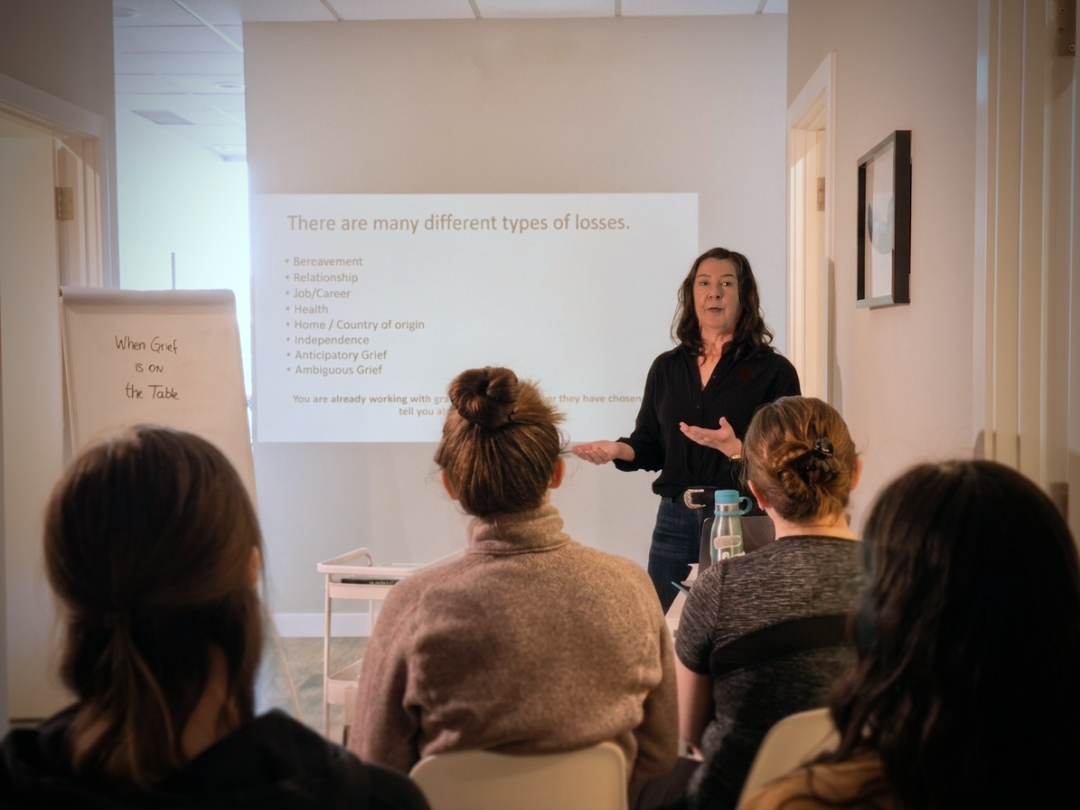
Woman giving a presentation to an audience on different types of losses, with a projection showing various kinds of grief and a flip chart with the text 'When Grief is on the Table'.
course offerings

What we offer

Self-paced courses

Learn on your own schedule. With lifetime access, you can come back and review anytime.

Continuing ed credits

Courses are approved (or in the approval process) with CMMOTA, MTAA, CRMTA, and more.

Free mini-course

Not sure if this is for you? Start with our free 20-minute teaser and find out what most therapists were never taught — on us.

Clinic
resources

PDF reference guides, conversation scripts, and practical tools you'll actually reach for between sessions.

Continuing Education Credits Approval Coming Soon!
The difference grief literacy makes

Imagine walking into your treatment room with this kind of confidence.

Before

Without grief education, many therapists feel:
Unsure what to say when a client mentions a loss
Afraid of saying the wrong thing
• Tempted to avoid the topic entirely
• Emotionally drained after heavy sessions
Uncertain about professional boundaries

After

With grief-informed training, you'll:
Recognize grief even when clients don't name it
Respond with calm, supportive language
• Create treatment spaces that communicate safety to your patients
• Maintain clear professional boundaries
Support clients without carrying their grief home

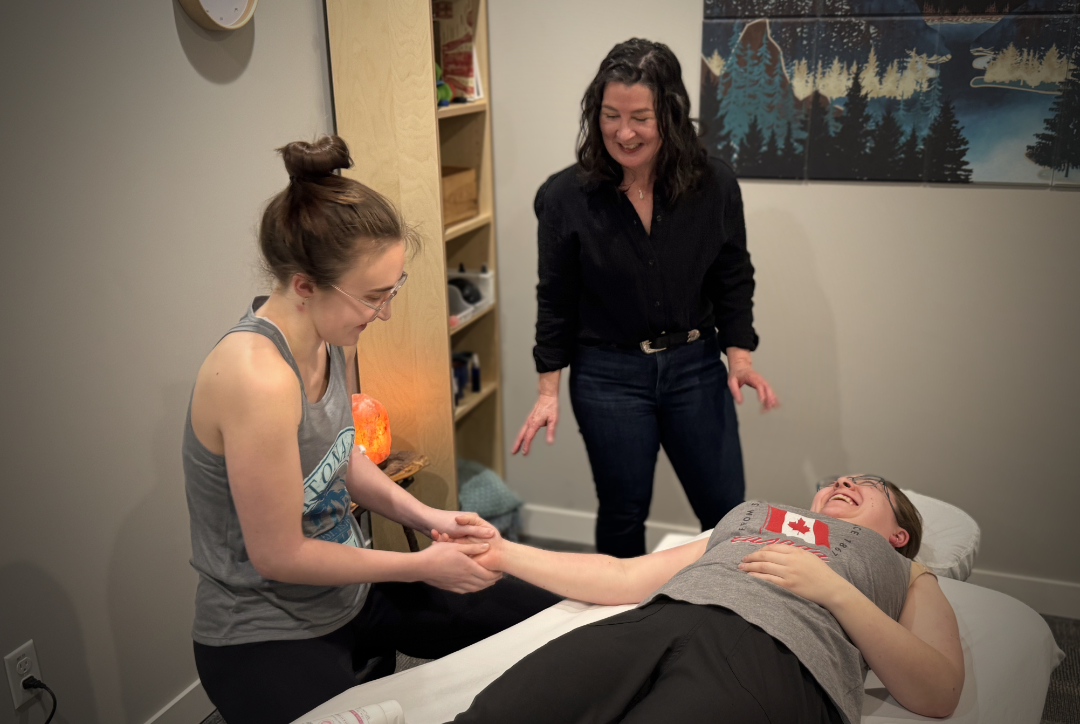
A massage therapist holding the hand of a smiling woman lying on a treatment table while another woman watches and smiles in a cozy clinic room.
your instructor

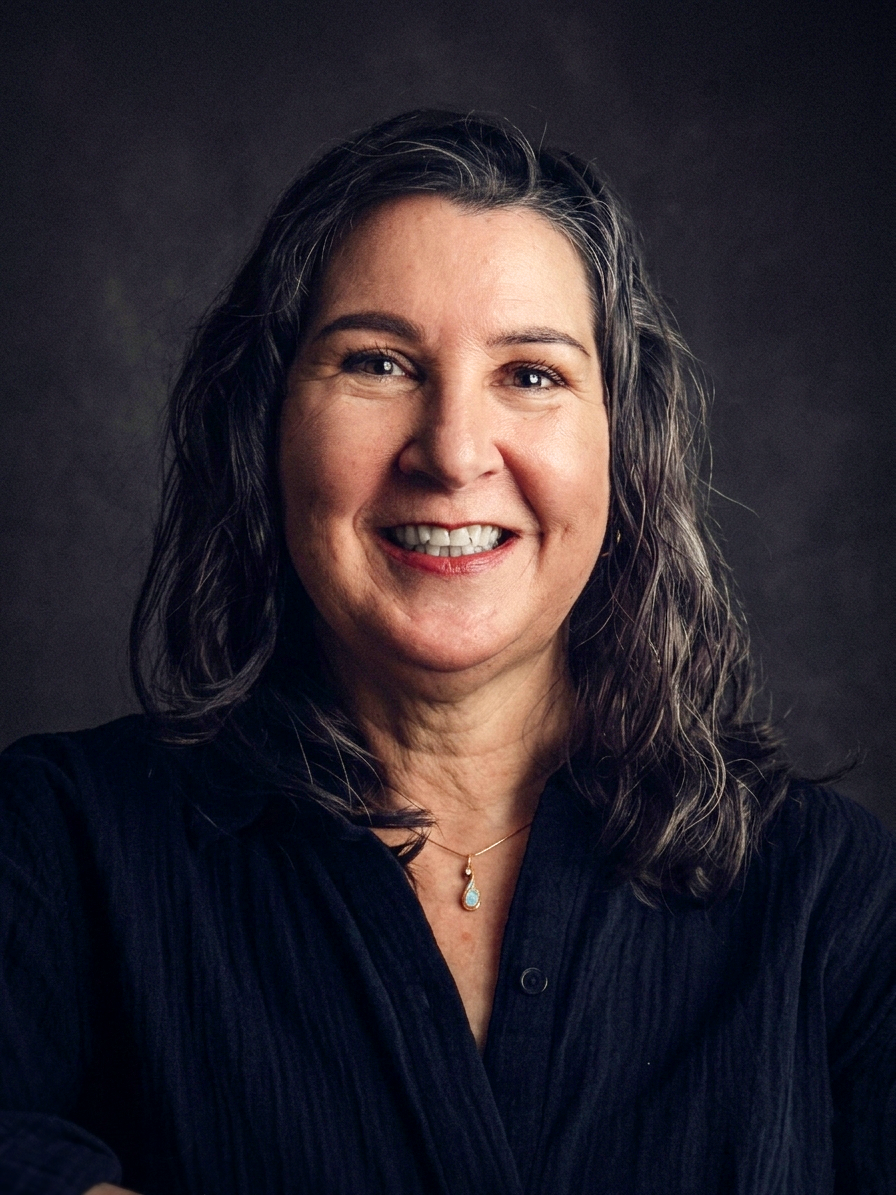
Meet Tanya Thomlinson, RMT

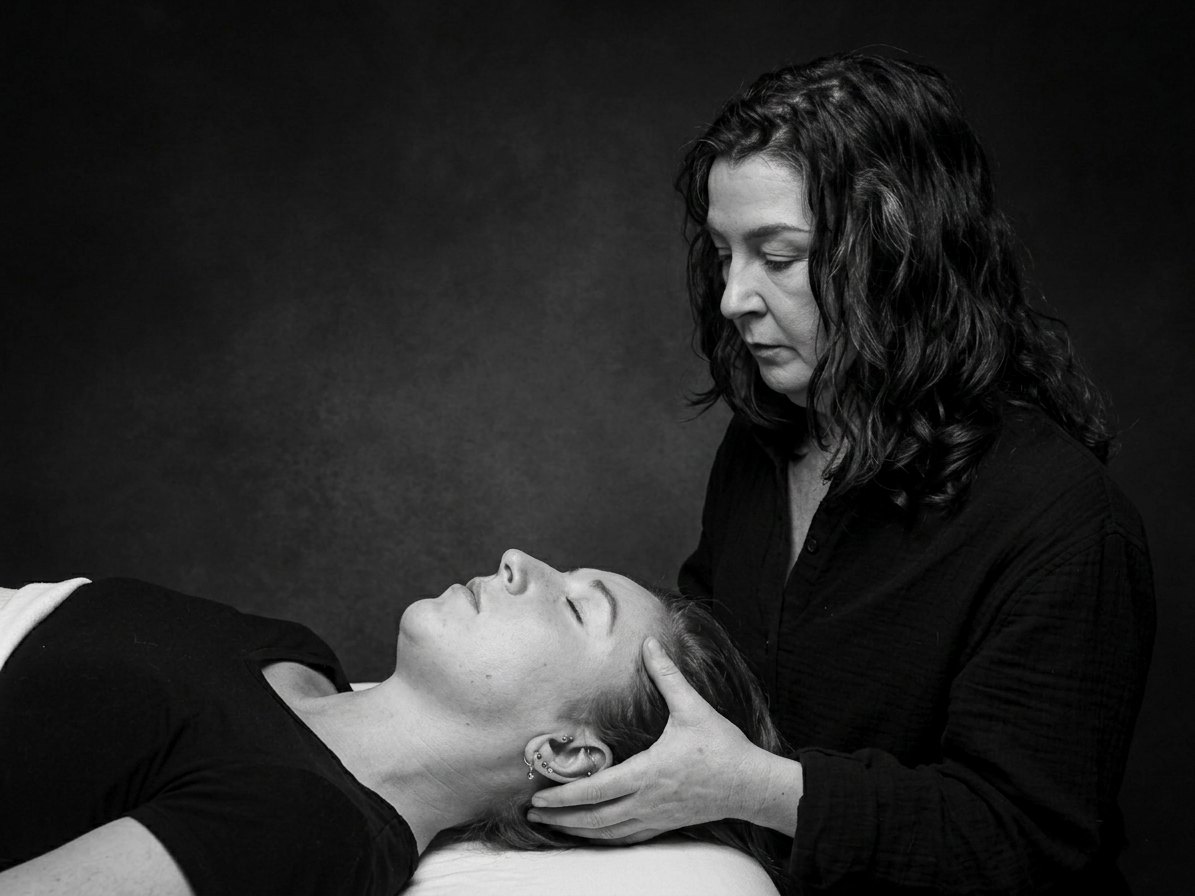
A woman receiving a head and neck massage from a masseuse in a calm setting.Smiling middle-aged woman with dark wavy hair wearing a black shirt and a pendant necklace against a dark background.

Hi! I'm Tanya, a Registered Massage Therapist based in Calgary, Alberta, a lifelong learner, a lover of psychological thrillers and rescue cats, and someone who has sat with a lot of grief. My own, and other people's. After a career in the corporate world and years of caregiving, I became an RMT and fell completely in love with the work.

But over time, I noticed something: my patients were bringing grief into the room, and the profession had almost nothing to offer them. 
Therapists were either avoiding the topic entirely, or unintentionally stepping outside their scope trying to help. Neither approach felt right. So I went looking for answers. I found them in grief research, in trauma-informed practice principles, neuroscience, and my own lived experience as a griever.

Viveca Education exists because I believe every massage therapist deserves to feel equipped, not afraid, when grief walks through the door. I'll teach you what I’ve learned, ground it in evidence, and make sure you leave with tools you can actually use.

Explore Courses
what makes us different

Why choose Viveca Education?

No modality to memorize.

Grief isn't one-size-fits-all, so neither is your approach. Instead of rigid protocols, you'll gain a framework that helps you see your patients more clearly and respond more effectively.

No pseudoscience.

Everything taught in this program is grounded in current evidence. If the research doesn't support it, it doesn’t make it into the curriculum.

A no-burnout blueprint.

Holding space doesn’t mean carrying your patients’ grief home with you. You’ll learn how to support patients while protecting your own nervous system and professional sustainability.

You'e allowed to laugh.

Grief and humour are not mutually exclusive. Used thoughtfully, humour is one of the most powerful tools for connection and for making the uncomfortable a little more manageable.

Flexible learning, lasting impact

Courses & Pricing

Courses designed to support your growth as a therapist—and fit your schedule.

Intro Module
Start for

FREE

Wondering if this training is right for you? This free 20 minute mini-course will give you a taste of what grief literacy looks like in clinical practice — and why you need it.

Start for Free
2-Hour Course
Starting at

$67CAD

Most therapists were never taught how to handle grief in the treatment room. This course changes that. Go beyond empathy. Learn the clinical frameworks, communication clarity, and professional boundaries that allow you to support grieving patients with confidence—safely, skillfully, and in-scope.

Enroll Now
2-Day Course
Starting at

$449CAD

For therapists committed to working closely with grieving patients, this advanced training deepens your theoretical understanding and clinical discernment—strengthening nervous system awareness, sustainable boundaries, and the steady presence required for long-term grief-informed practice.

Enroll Now
testimonials

What therapists
are saying

I’ve realized that getting comfortable with grief and grieving patients is not optional! Grief in its many forms shows up in my practice so often and I’m so glad I took Tanya’s course. I know how to create a safe place for my patients that allows them to be themselves and grieve as they need to.

Smiling woman with long wavy hair and black glasses wearing a red sweater.
Alanna T.  — RMT

”Tanya delivered an engaging and insightful course on the often-overlooked topics of stress and grief. I left with a deeper understanding of how they manifest in the body, along with practical tools to better support my patients while safeguarding my own well-being as a practitioner."

Matt K.  — Chiropractor

Tanya is an excellent educator! Her passionate approach is easy to follow and comprehensive. Her analogies clicked perfectly, providing deep insight into what happens to our brains and bodies during grief. I gained a better understanding of how to show up for others, both personally and as a massage therapist. I highly recommend her courses!

Smiling woman with curly hair resting her chin on her folded hands, wearing a floral patterned top.
Shea P. — RMT

From beginning to end, she ensures that everyone is understanding the subject matter, and is following along. Even with some topics that may seem a bit difficult or even dry, Tanya finds a way to make the subject matter engaging. I always look forward to a seminar/class when Tanya is teaching.

A photo of James T, registered chiropractor.
James E. — RMT
you were already wondering

Frequently Asked Questions

Is there a deadline to finish the course?
Is this course only for therapists who work specifically with grieving patients?
Are continuing education credits included?
Will I need to become a grief counselor after taking these courses?
How does the free mini-course work?
Are you also a massage therapist who takes patients?
Questions or tech issues?
Refunds?

Ready to begin?

Your patients are already carrying grief into your treatment room.

The question is whether they feel safe enough to set it down.
Give them that gift. Give yourself the confidence to offer it.
Start learning now.
